Content Create By-Jiang Almeida
Deciding to have LASIK procedure is a important step towards gaining improved eyesight and greater independence from spectacles or contacts. The journey begins with choosing the appropriate LASIK doctor, someone who not only has the necessary qualifications but also comprehends your unique needs and worries. An knowledgeable LASIK surgeon can lead you through the nuances of the procedure, ensuring that you remain informed and empowered every step of the way.
During your initial consultation, it’s crucial to have an transparent conversation with your LASIK surgeon. This is your time to ask questions, express concerns, and understand about the different techniques available, such as all-laser LASIK. By fostering this interaction, you can create a trusting relationship that will accompany you in the operation and the post-op phase, ultimately bringing you the clarity you seek.
Grasping Laser-Assisted In Situ Keratomileusis Surgery
LASIK procedure, short for Laser-Assisted In Situ Keratomileusis, is a popular surgical intervention aimed at addressing frequent vision issues such as nearsightedness, hyperopia, and irregular vision. This innovative technique uses advanced laser technology to mold the outer layer of the eye, allowing light to converge more accurately on the light-sensitive layer at the back of the eye. Many patients choose LASIK due to its potential for immediate improvement in vision and the benefit of lessened dependency on spectacles or contact lenses.
An expert laser eye surgeon plays a crucial role in the effectiveness of the surgery. They perform a comprehensive evaluation of the patient's eyes to determine their suitability for LASIK and to discuss potential risks and benefits. The initial meeting is not simply a formality; it is a vital step where the surgeon matches the patient's expectations with the realities of the procedure. Understanding the unique characteristics of each individual's eyes helps in customizing the surgery for best results.
Bladeless Laser-Assisted In Situ Keratomileusis, a variation of standard LASIK, is gaining popularity for its precision and safety. This method utilizes a laser instead of a blade to create the corneal flap, which improves the overall ease of the procedure. Laser eye surgeons trained in this advanced technique provide patients with a less invasive option that often leads to quicker recovery times and fewer complications. Whether opting for classic or bladeless LASIK, open communication with the surgeon is vital for achieving the best possible outcome.
Choosing the Appropriate LASIK Doctor
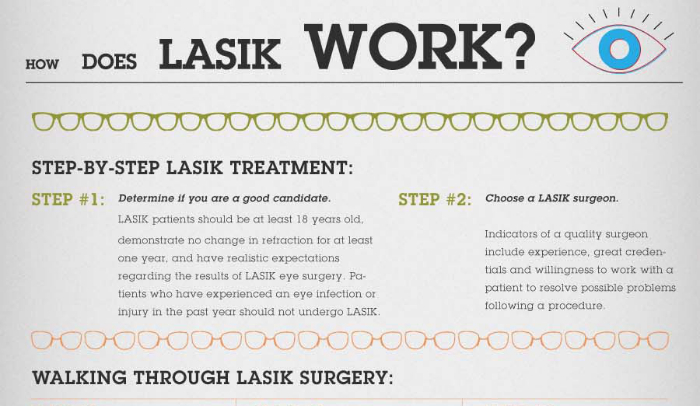
Choosing the appropriate LASIK doctor is essential for ensuring the optimal possible outcomes for your vision improvement needs. Start by looking for an skilled LASIK surgeon. Experience plays a significant role in the level of treatment and skill level a surgeon has. https://www.sciencedaily.com/releases/2016/10/161017140554.htm seasoned surgeon will have performed a variety of procedures, giving them the knowledge to handle multiple eye issues and challenges that may emerge during the surgery.
It’s also essential to consider the equipment used by the doctor. A bladeless LASIK surgeon utilizes cutting-edge technology to conduct the procedure with increased precision and comfort. This approach lowers the risks associated with conventional LASIK procedures while accelerating recovery periods. Make sure to inquire about the specific laser technology used and whether they have personalized LASIK procedures tailored to your personal vision needs.
In conclusion, don't be afraid to seek referrals and read reviews from previous patients. Reviews can offer insight into the surgeon's bedside manner, their attention to detail, and the results experienced by others. An informed decision is important, so take the time to interview and collect data on multiple laser eye providers before settling on your choice.
The Consultation Process
The preliminary consultation serves as a critical step in your LASIK journey, as it establishes the foundation for your treatment. During this meeting, you will meet with an expert LASIK surgeon who will assess your eye health and talk about your vision goals. This is an occasion for you to ask questions and voice any concerns you may possess about the procedure, ensuring you are fully informed before making a decision.
Your surgeon will conduct a series of tests to evaluate your vision and find out whether you are a suitable candidate for LASIK. These tests may encompass measuring your corneal thickness, mapping the surface of your eye, and evaluating your overall eye health. A blade-free LASIK surgeon may utilize advanced technology during this assessment to provide the most accurate results, resulting in a personalized treatment plan that addresses your unique needs.
Following the examination, your LASIK surgeon will outline the multiple options available to you, which may include the benefits of bladeless technology versus traditional methods. You will also talk about potential risks and expected outcomes, allowing you to feel confident in your choice. This rigorous consultation process ensures that you and your laser eye surgeon are aligned on your vision correction goals, preparing for a successful LASIK experience.
Post-Operation Care and Expectations
After your LASIK procedure, your experienced laser eye surgeon will provide you with detailed instructions for post-operative care. It is essential to stick to these instructions closely to ensure optimal healing and results. You may be advised to steer clear of rubbing your eyes, apply prescribed eye drops, and don protective eyewear, especially during the early few days post-surgery. Keeping your eyes hydrated and avoiding exposure to allergens, such as smoke or dust, can assist promote a smoother recovery.
In the days following the operation, it is usual to go through some fluctuations in vision, such as blurriness or haziness. https://mgyb.co/s/ARxTc can return to regular activities within a short time, but it is crucial to give your eyes sufficient time to heal effectively. Your bladeless LASIK surgeon may recommend follow-up visits to monitor your recovery and modify your eye care regimen as needed. Patience is key, as many individuals see significant improvement in their vision within the initial few weeks.
As your vision becomes stable, you can expect a significant boost in your quality of life. The liberation from glasses or contact lenses is often one of the most satisfying outcomes of LASIK surgery. However, keep in mind that while LASIK can considerably improve vision, some patients may still need glasses for specific tasks, like reading later in life. Staying in consistent communication with your LASIK surgeon will help set expectations and ensure any concerns are addressed in a timely manner.